
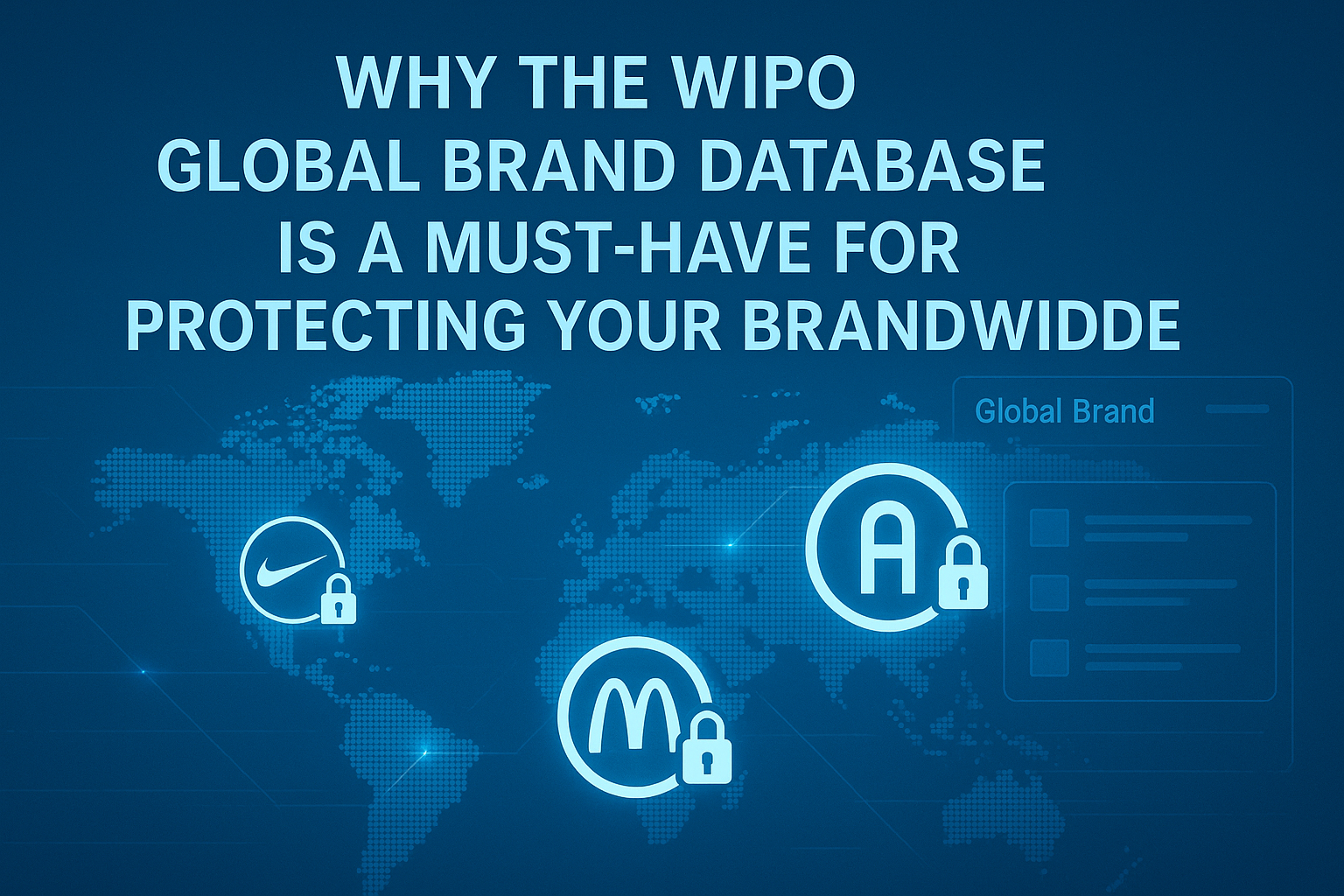
If you're running a business today—whether you're launching a product, expanding overseas, or just getting your brand off the ground—protecting your trademarks is non-negotiable. That’s where the WIPO Global Brand Database comes in. It’s one of the most powerful tools out there for navigating the trademark database worldwide and making sure your brand is safe on a global scale.
Let’s break down what this tool is, how it works, and why it’s so valuable for businesses of all sizes.
Planning your next step after researching a brand? Explore our international trademark filing page for information on country selection, filing coordination and the scope of support.
What Is the WIPO Global Brand Database?
The WIPO Global Brand Database is run by the World Intellectual Property Organization (WIPO), a branch of the United Nations that helps protect intellectual property (think trademarks, patents, copyrights) around the world.
This free tool combines Madrid System records with participating national and regional collections and other WIPO datasets. Coverage and update frequency vary by collection. Check the coverage page for the markets and dates relevant to your search; it is not a complete register of every trademark right worldwide.
What Makes It So Useful?
Use keywords, owner names, numbers, goods and services, and image similarity to explore the available collections. Refine results with the offered filters. A WIPO account lets you save searches and record sets; a saved search can show updated results when reopened.
The current reporting tool allows a selection of up to 180 records per report. WIPO’s terms do not permit bulk or automated downloading. A result list is research evidence, not a clearance opinion or a guarantee that the mark is available.
Why a Trademark Database Worldwide Matters
Whether you’re building your brand locally or aiming for a global audience, a reliable trademark database worldwide can make or break your strategy.
1. Avoid Costly Mistakes
Before registering your brand, it’s essential to check if someone else has already claimed it. The WIPO database lets you avoid trademark conflicts that can lead to legal headaches.
2. Keep an Eye on Competitors
Want to know where your competitors are expanding? What trademarks are they filing? A quick search gives you a peek into their branding strategy.
3. Strengthen Your Legal Position
If you ever face a dispute, this database acts as a strong reference point. It shows when and where trademarks were registered—helpful info in legal proceedings.
4. Save Time and Money
A combined search can reduce repeated work, but it does not replace checking the relevant national or regional registers and unregistered uses. Verify the status and scope of important results in the issuing office’s current record.
Which WIPO tool should you use
Use the Global Brand Database to search the collections it covers. Use Madrid Monitor and the find-and-monitor tools in eMadrid to follow international applications and registrations, including the position of individual designations. For renewals or ownership changes, use the appropriate management service in eMadrid; these are filing transactions, not edits made inside a Global Brand Database search result.
Alerts for changes to selected international registrations are a Madrid monitoring function. Do not assume that saving a Global Brand Database search creates an email watch for every newly filed similar mark worldwide.
A practical search routine
Record the search date, collections, terms and filters. Try spelling and logo variants, inspect related goods or services, and verify significant results with the relevant office. Repeat searches when the brand or target markets change. Assess legal risk separately from the number of database hits.
Big Benefits for Small and Global Businesses Alike
You don’t have to be a global brand to benefit from this tool. In fact, startups and small businesses often gain the most because it helps you:
- Build a strong foundation before launching a brand.
- Show which collections you searched and which rights still need checking.
- Spot red flags before they become expensive legal issues.
Whether you’re entering new markets or simply safeguarding your brand, the WIPO Global Brand Database gives you an edge.
Final Thoughts
The Global Brand Database is a useful starting point for a multi-market search.
Looking to expand your brand? Start with a global trademark check—and make sure your next big move is backed by solid protection.
How Trademark Factory Can Help
While tools like the WIPO Global Brand Database are powerful on their own, knowing how to use them strategically makes all the difference—and that’s exactly where Trademark Factory comes in.
At Trademark Factory, we’ve helped thousands of entrepreneurs and business owners secure their trademarks with guaranteed results. Our team understands every nuance of the trademark database worldwide—from international searches to filing through the Madrid System—and we know how to interpret what that data actually means for your brand. Whether you're just starting out or expanding globally, we guide you through every step of the process with clarity, confidence, and zero guesswork.
You don’t have to navigate the complexities of global trademark protection alone. Let Trademark Factory do the heavy lifting—so you can focus on building your business, not battling bureaucracy. Schedule a free consultation today!
FAQ:
1. What is the WIPO Global Brand Database?
The WIPO Global Brand Database is a free online tool provided by the World Intellectual Property Organization (WIPO). It allows users to search a centralized trademark database worldwide, including international trademarks, appellations of origin, official emblems, and more. It’s essential for conducting brand clearance searches and monitoring trademark activity globally.
2. Why should I search the trademark database worldwide before registering my brand?
Searching a global trademark database helps you avoid costly legal conflicts. By checking if your desired brand name or logo is already registered or in use internationally, you reduce the risk of infringing on existing trademarks and increase your chances of successful registration.
3. Is the WIPO trademark database easy to use?
Yes, the WIPO Global Brand Database is designed to be user-friendly, with tools for keyword search, image recognition, filters by country, and more. However, interpreting the results correctly still requires experience with trademark law and global classification systems—something Trademark Factory excels at.
4. Can the WIPO database tell me if my trademark will be approved?
Not directly. The database can show you if similar trademarks already exist, but it doesn’t make approval decisions. Local trademark offices in each country still conduct their own legal assessments. However, the database is a vital first step in evaluating your chances.
5. Is using the WIPO Global Brand Database enough to protect my trademark?
It’s a crucial part of the process, but not the whole picture. Using the database helps you avoid conflicts, but registering and enforcing your trademark rights in the right countries is what gives you legal protection. That’s why working with Trademark Factory ensures you're covering all your bases.
6. How does Trademark Factory use the WIPO database to help clients?
Trademark Factory uses the WIPO Global Brand Database and other regional trademark databases to conduct thorough, professional clearance searches. We analyze results, identify risks, and develop a custom registration strategy for your brand—saving you time, money, and legal headaches.
7. What’s the difference between WIPO’s database and my national trademark database?
The Global Brand Database aggregates participating collections, including Madrid System records. A national or regional office provides its own application and registration records and may have information or updates not yet reflected in the WIPO collection. Use both where relevant; neither an empty search nor a database entry itself creates trademark protection.
' width='400' height='200'/%3E%3C/svg%3E)