
For many people, filing a trademark is an unfamiliar process, with a lot of different steps to take, so it can be hard to understand everything that goes into filing a trademark. Unless you’ve worked in a trademark company or paid trademark attorney costs, you might not know much beyond the basics like how much it costs to apply for a trademark in your area.
Start before filing with a search and an assessment of the proposed mark. Search relevant registered and unregistered uses and evaluate the goods or services and countries involved. A search helps identify risk; it cannot confirm with certainty that the brand is available or will register.
This can save costly trademark attorney costs, so it’s good advice to save time, money, and effort for all involved.
The examiner may approve the application for the next stage or issue objections and requirements. Read each issue and the actual response deadline before deciding how to respond.
Waiting time changes with the office’s workload and the file. Do not treat historic estimates of four months in the United States or eight months in Canada as current promises. The USPTO publishes processing data, and CIPO publishes a dated forecast to examination. First examination is not the same as registration.
Prepare the correct owner details, mark, goods or services and country-specific filing information, then submit the application with the required fees. A complete application reduces avoidable formalities issues, but the office still examines whether the mark meets legal requirements.
Filing and examination
Advice from a Trademark Company: What to do if faced with rejection
A U.S. final refusal can be challenged through a timely request for reconsideration and/or an appeal to the TTAB, as appropriate. Reconsideration does not extend the appeal deadline. It is therefore incorrect to say every final refusal is the end of the process within the trademark office. Canadian review and appeal routes differ; check the particular decision and obtain advice promptly.
An Office action is not necessarily a final refusal. Depending on the issue, a response may include arguments, evidence or permitted amendments. In most U.S. Section 1 or 44 applications, the response period is three months with one timely paid three-month extension available; Section 66(a) applications generally have six months without that extension. Canadian notices have their own requirements and deadlines.
An opposition is a separate proceeding, not simply another examiner’s objection. The applicant must preserve its response deadlines and assess the allegations and evidence. The outcome can depend on settlement, amendments or a decision; publication alone does not guarantee registration.
If an application reaches publication or advertisement, third parties have an opportunity to oppose under the applicable rules. The initial period is 30 days after publication in the United States and two months after advertisement in Canada. Available extensions and later procedural deadlines differ by country.
The next step depends on the outcome and any remaining application requirements. Failure to take a required step can put the application at risk. A successful defence or withdrawal of the opposition does not remove any separate use, fee or examination requirement that still applies.
What happens after an opposition?
Canada no longer uses the former proposed-use declaration requirement: it was removed on June 17, 2019. For ordinary new applications, there is also no separate post-allowance registration fee. Older transitional applications may have a remaining registration-fee requirement. Check the actual file rather than applying an old Canadian workflow to a current application.
In the United States, an application based on qualifying use may proceed toward registration once the remaining requirements are met. A Section 1(b) intent-to-use application generally receives a Notice of Allowance and requires an acceptable Statement of Use. The initial deadline is six months from allowance; timely qualifying extension requests can extend the overall period to a maximum of 36 months.
Publication is a procedural milestone, not a guarantee. Whether a particular application registers depends on its basis, compliance and any opposition.
From publication to registration
How Much Does It Cost to Apply for a Trademark: Remembering to Renew Trademarks
Registration creates ongoing maintenance obligations. In Canada, renewals have been for ten-year terms since June 17, 2019. A registration that retained an older fifteen-year term may run to its recorded expiry date, but the next renewal is for ten years. Ten-year renewal is current law, not a future change.
For a typical U.S. domestic registration, file a Section 8 use or excusable-nonuse declaration between years five and six, then the combined Sections 8 and 9 filing between years nine and ten and every ten years thereafter. Applicable grace periods involve additional fees. Madrid-based U.S. extensions require Section 71 maintenance and renewal of the international registration through WIPO. Calendar the requirements for the actual registration.
In the U.S., and actually, most countries in the world have just 10 years, Canada is an exception with its current 15 years, and the U.S. is an exception because while the renewal is due in 10 years like in any other country, you also need to file a post-registration statement of use, confirming to the Trademarks Office that you are still using your trademark between the 5th and 6th anniversary of the registration of your trademark.
From doing a proper search prefiling to the actual review process, getting it approved and keeping it renewed, there’s a lot to keep in mind maintaining a trademark. That hard work is more than worth it as those trademarks help your company create successful and recognizable brands.
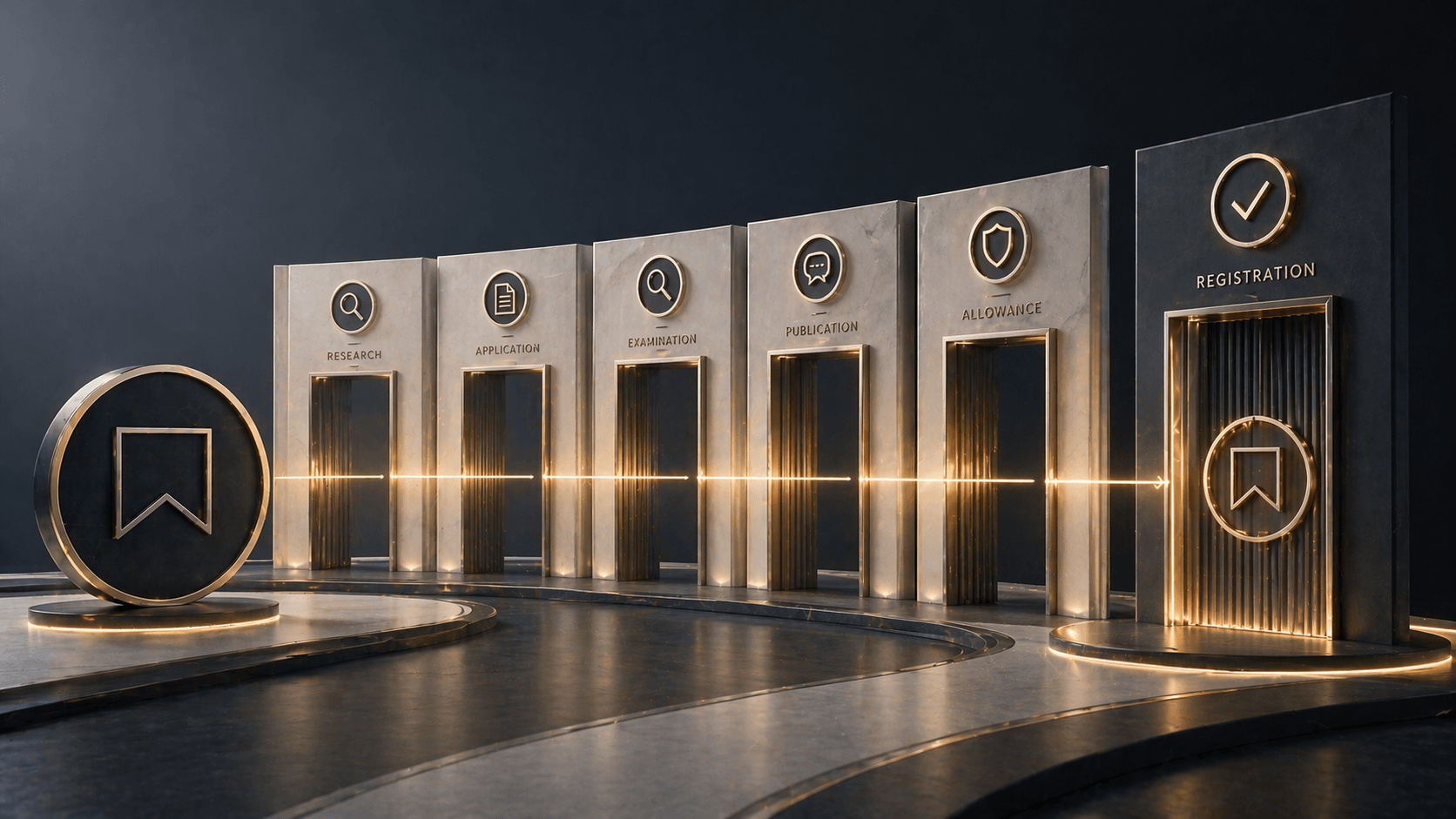
You need to make sure that you monitor what's out there, that nobody is ripping you off, that you use your trademark, and that you renew it properly, but here is how it works. From search to drafting, to filing, to approval, to publication, to allowance, to registration.
It's a long process, takes a long time, and there are a lot of moving steps, but don't be discouraged: if you have a brand that needs to be protected, go through the process, or better yet, have somebody who knows what they're doing take you through the process, take your hand and walk you through the process every step of the way.
And make sure that you focus on what's important to you, building your business, and somebody who knows what they are doing is going to do what they are good at, which is responding to everything that comes from the Trademarks Office and dealing with every little issue that your trademark application may encounter.
' width='400' height='200'/%3E%3C/svg%3E)