
SaaS & apps
Protect product names with a filing that distinguishes downloadable apps from hosted software services.
Explore saas & apps trademark services
Trademark Registration · California State & Federal
Whether you run a startup in San Francisco, a consumer brand in Los Angeles, or an ecommerce business anywhere in California, Trademark Factory® helps you choose the right path: California state registration, federal USPTO registration, or both.
No templates, no filing guesswork. Real trademark professionals guiding you from idea to registration certificate.
Trademark Factory® works with California-based startups, consumer brands, ecommerce businesses, and service firms.
California is home to dense startup ecosystems, ecommerce brands, entertainment businesses, consumer products, software companies, agencies, wellness brands, and professional services. That makes it one of the most attractive markets in the country—and one of the easiest places to run into naming conflicts. Without trademark protection, a business may invest in a name, domain, packaging, and marketing only to discover someone else got there first.
A properly filed trademark helps turn a business name, logo, or slogan into an enforceable asset. For California businesses, the core question is usually not whether protection matters, but whether state filing, federal filing, or a combined approach is the smarter move.
California allows state-level registration through the California Secretary of State, while broader U.S. protection comes through the USPTO. The right path depends on where you use the mark, how you sell, and whether you plan to grow outside California.
Protection limited to California. Requires actual use before registration.
Protection extends across all 50 states. Best for growth brands and multistate businesses.
| CRITERIA | CALIFORNIA STATE TRADEMARK | FEDERAL USPTO TRADEMARK |
|---|---|---|
| Scope of protection | California only | Nationwide rights for the covered goods or services, subject to earlier rights. |
| Best for | Businesses operating only in California or validating a local brand footprint | Businesses selling online, across state lines, or planning expansion |
| Government fees | California charges a filing fee per classification | USPTO fees apply per class and filing basis |
| Use requirement | Actual use in California required before registration | Use in interstate commerce or intent-to-use basis |
| Enforcement strength | Scope and available remedies depend on the registration and facts. | Scope and available remedies depend on the registration and facts. |
| Duration | 5 years, renewable in 5-year terms | Potentially indefinite with continued use and maintenance filings |
Protect product names with a filing that distinguishes downloadable apps from hosted software services.
Explore saas & apps trademark servicesReview the name, show, course and merchandise separately. One filing does not automatically cover every use of a creator brand.
Explore creators & influencers trademark servicesSeparate your own products from online retail services. Product classes and Class 35 address different uses of a brand.
Explore ecommerce & dtc trademark servicesConsider the brand name, logo and clothing goods. A decorative print is not necessarily trademark use.
Explore fashion & apparel trademark servicesDistinguish restaurant services from packaged foods, beverages and future franchise plans.
Explore restaurants & food trademark servicesTrademark Factory® works with businesses throughout California, including founders, ecommerce brands, consumer products companies, startups, agencies, and service firms building brand value.
A clear, strategic, and done-for-you process designed for California businesses.
We learn about your business model, where you sell, what you want to protect, and whether California filing, federal filing, or both is the better path.
We review conflicting state and federal marks before you spend more money on branding, packaging, domains, or ads.
We prepare classes, descriptions, specimens, and the full application package for California and/or the USPTO.
If the office raises objections or asks for corrections, we help manage the response strategy and keep you updated.
After registration, we advise on use, renewals, maintenance, and how to think about broader protection as your brand grows.
Built for the way California businesses actually grow.
You know what the service costs from the start, without the uncertainty that often comes with hourly billing.
From search to filing to registration, the process is built for founders and operators who would rather stay focused on the business.
A California-only business and a multi-state brand should not file the same way. The page should make that difference clear.
USD $199
Best for ensuring your first-choice brand is registrable before committing to filing
Get startedUSD $995 + Govt. Fees*
Ideal for those committed to trademarking, including exploring alternative brands if needed
Get startedQuestions California businesses usually ask
Not always. If your business is truly local, California registration may be useful. If you sell online, ship across state lines, plan to franchise, or expect to expand, federal registration is often the better long-term move.
For California state registration, the mark must already be used in California. Federal filings may allow an intent-to-use application before launch.
California registrations last five years and can be renewed in additional five-year terms as long as the mark remains in use.
Typical specimens include labels, packaging, product images, websites, brochures, or service materials that clearly show the mark used in commerce in California.
Not reliably. California warns that marks that are merely descriptive may not be registrable, which is one reason a strong clearance and strategy review matters before filing.


Whether you are just naming your business or already serving customers across California and beyond, this is the best time to secure your trademark. Let Trademark Factory® turn a risky name into a powerful asset you truly own.
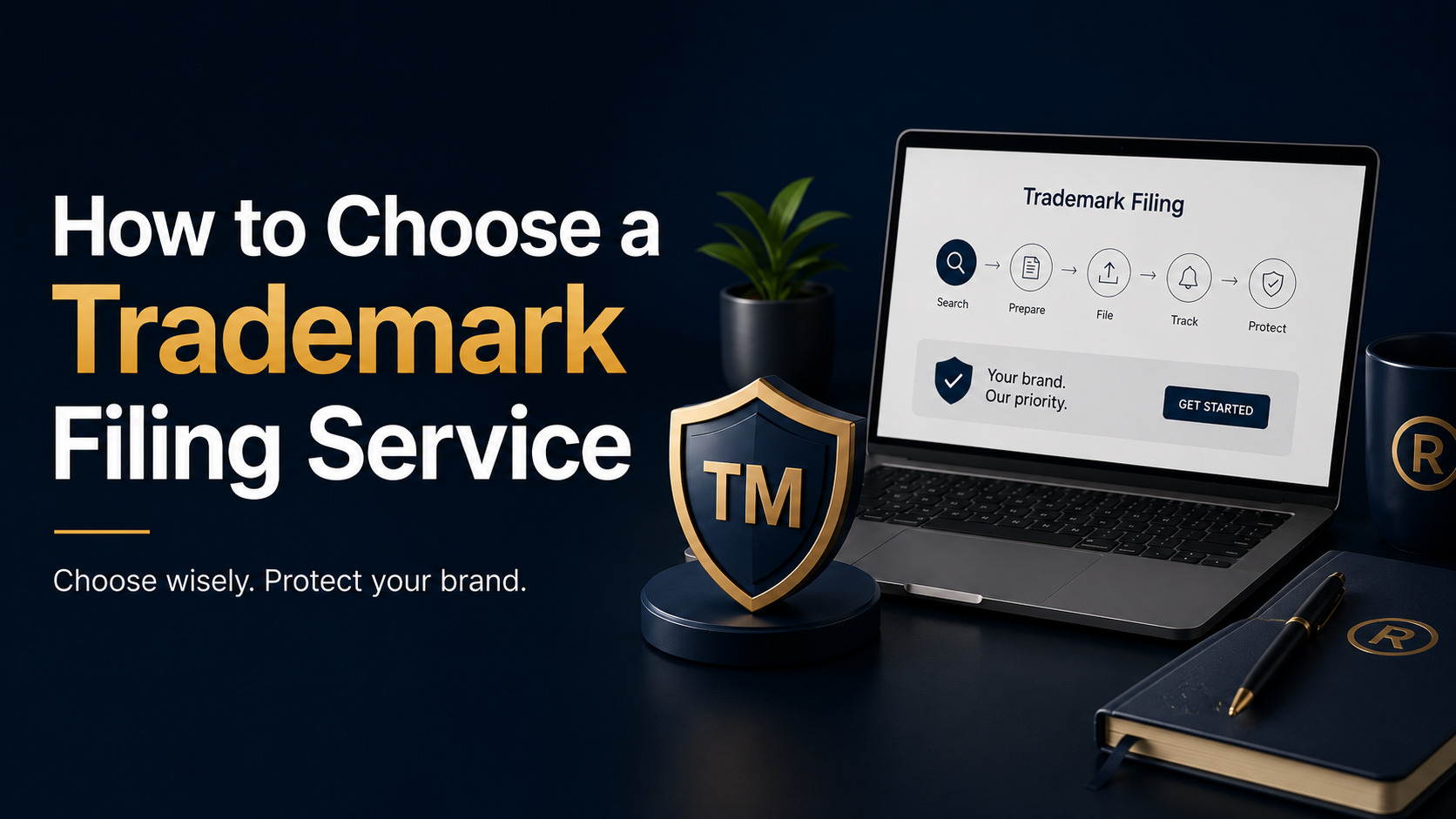
Trademark filing services can look interchangeable at checkout. They are not. One provider may transmit answers from a questionnaire, another may give legal advice and become attorney of record, and another may support the application from search through registration. Compare the scope, not the headline price. A $99 filing offer can be appropriate for an informed customer who wants form assistance. It is not the same product as a professional clearance assessment, class strategy, specimen revie
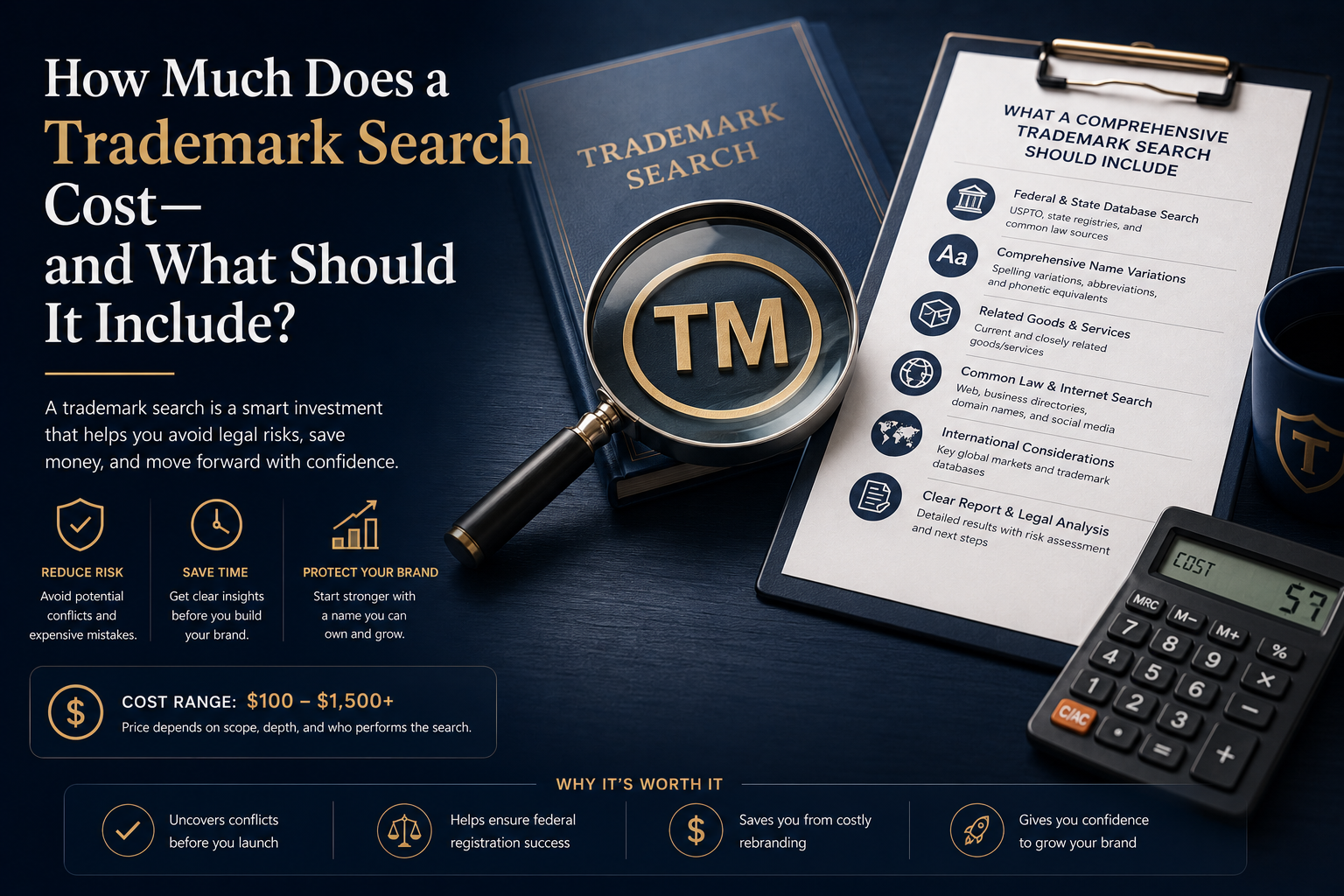
A trademark search can cost nothing, a few hundred dollars, or substantially more for complex international or multi-mark work. The price depends on what is searched and whether the result is a list of records or a legal assessment of risk. The cheapest search is not necessarily poor, and the most expensive is not automatically comprehensive. The useful question is: will the search identify the conflicts that matter before you invest in filing and launch? Free search versus clearance search A
A successful podcast name can become the center of a larger media brand: live events, sponsorships, courses, merchandise, a subscriber community, and licensing. Trademark protection can help secure that commercial identity, but the filing should match how the name is actually used. The strongest strategy begins before launch or rebrand: clear the name, identify the correct owner, map the show and related products into the right classes, and preserve evidence that shows the title functioning as
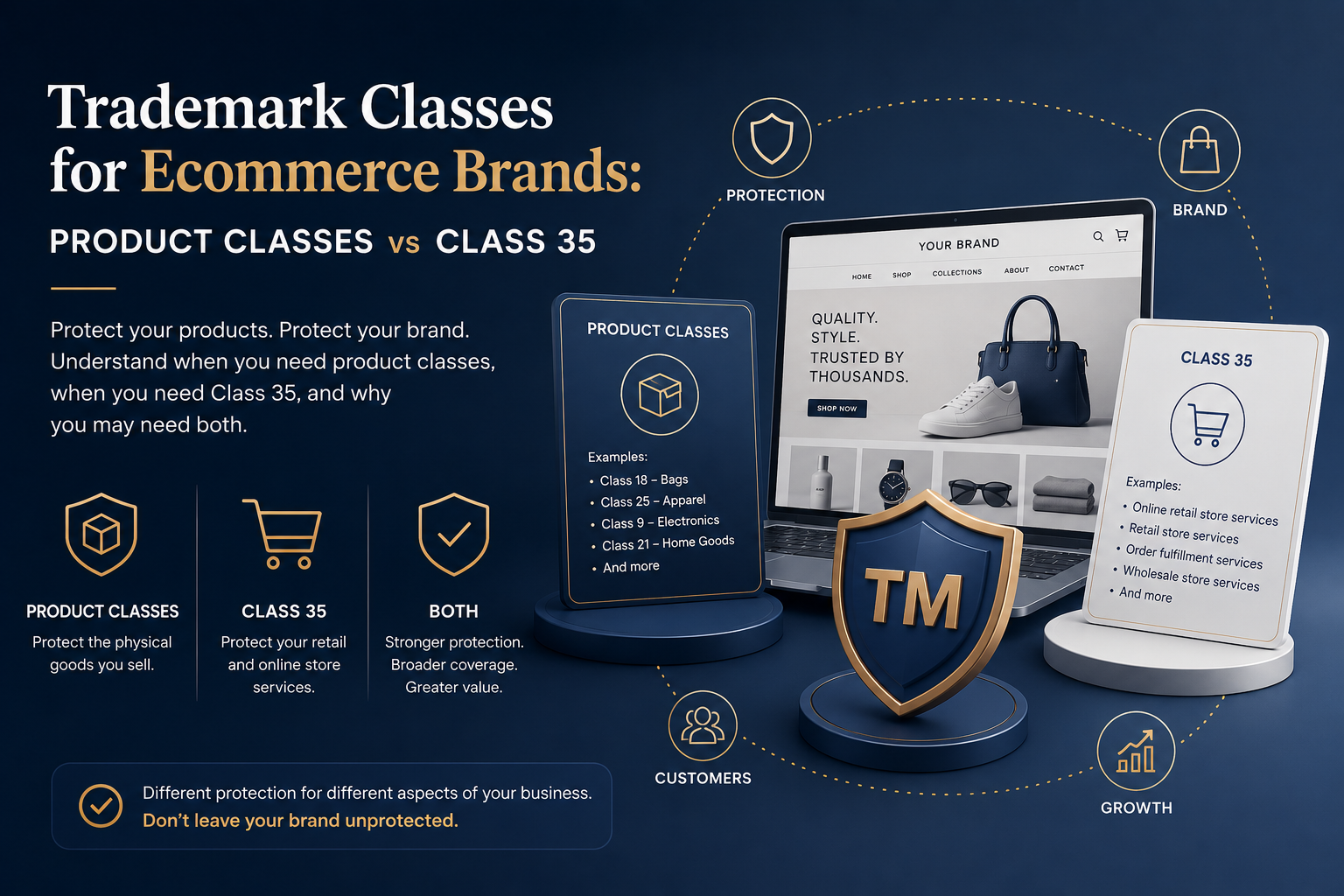
An ecommerce brand does not automatically belong in Class 35. The correct filing depends on what the trademark identifies: your own products, a retail store service, a marketplace, or a combination of these. This distinction affects both protection and cost. Government fees are charged per class, and choosing only Class 35 may leave a private-label product brand without direct coverage for its goods. Filing every possible product class, however, can waste money and create evidence obligations t
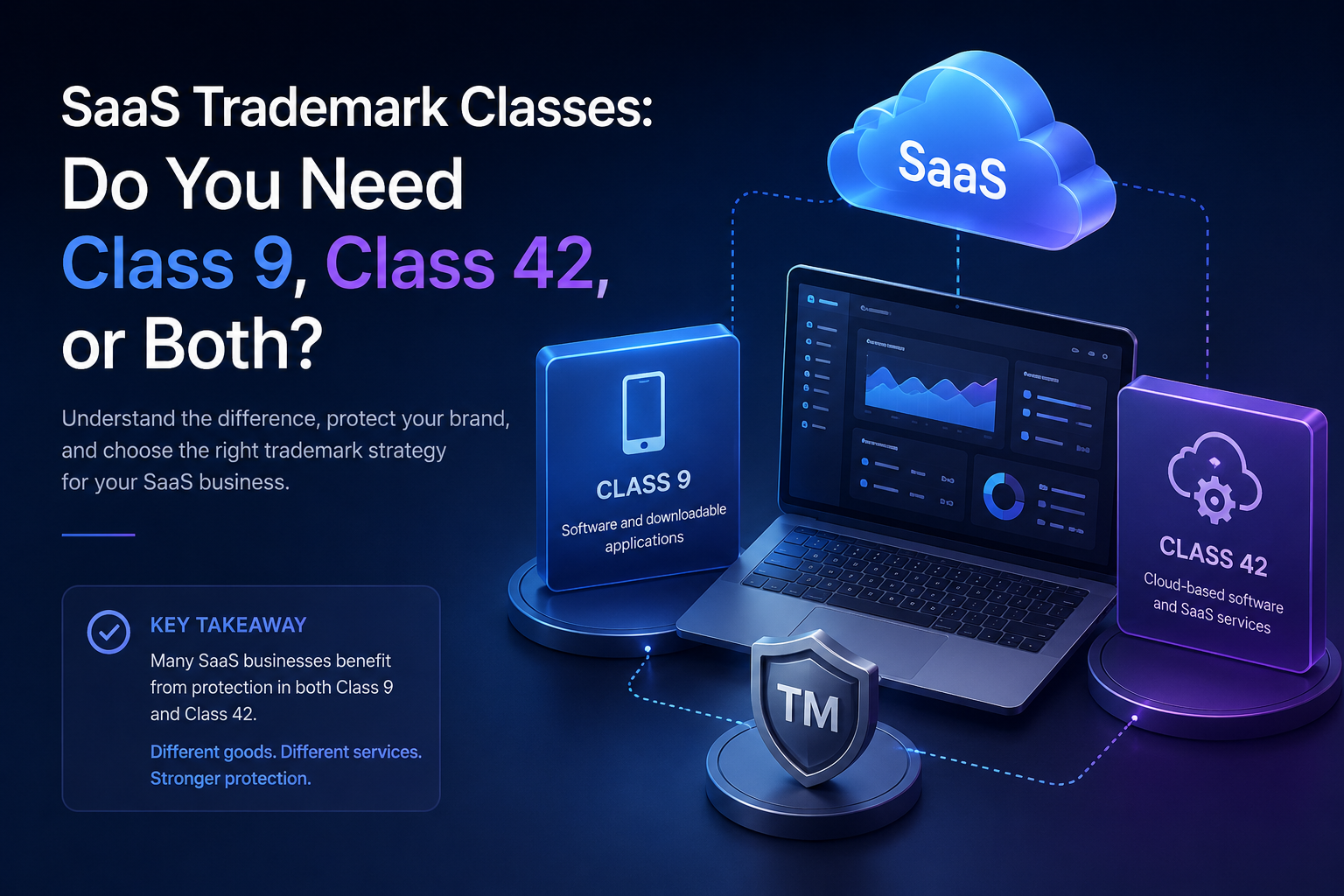
Software founders often assume that every technology brand belongs in one “software class.” The USPTO classification system does not work that way. Downloadable software is commonly classified in Class 9, while providing temporary use of online, non-downloadable software—software as a service—is generally in Class 42. The function of the software and any separate business service can add other classes. Choosing correctly matters because government fees are charged per class and an application c
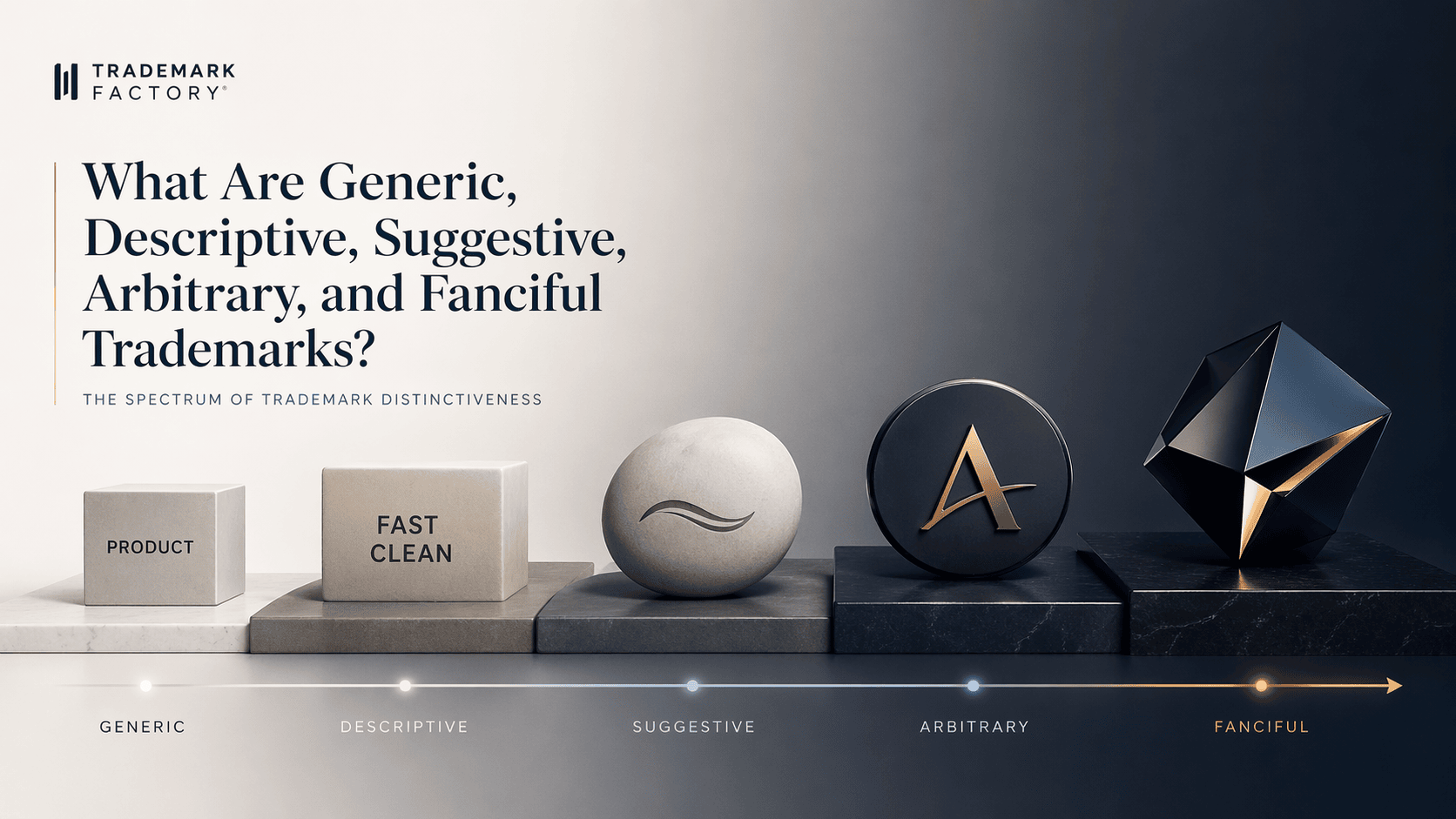
What is a Generic Trademark? What Are Descriptive, Suggestive, Arbitrary, and Fanciful Trademarks? Not all brands are created equal. Some brand names are inherently stronger than others. That depends on where your brand is on the spectrum of distinctiveness—going from generic, descriptive to suggestive, arbitrary, and fanciful marks. Watch this video to understand the principles behind distinctiveness better so you can pick a strong brand for your new product or service or evaluate whether your