

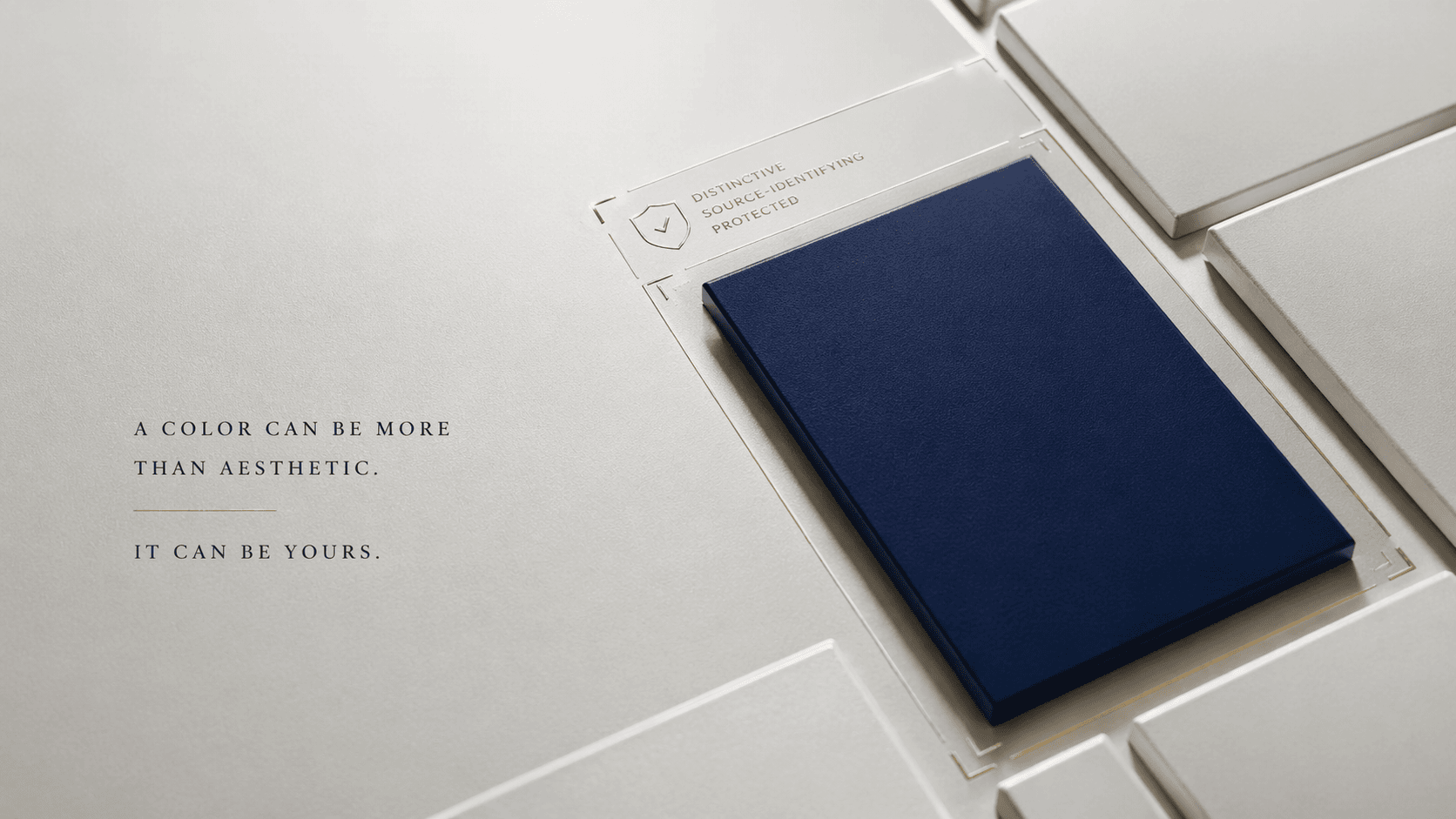
Color is one of the most powerful elements in branding. Think Tiffany Blue, Barbie Pink, or Home Depot Orange. These aren’t just shades—they’re brand identities. But can you actually trademark a color?
Yes—trademarking a color is possible, but it comes with strict legal requirements. In this guide from Trademark Factory®, we’ll explain how color trademarks work, highlight examples from famous brands, and show you how to trademark a color if it’s essential to your brand strategy.
What Does It Mean to Trademark a Color?
By itself, a color can’t be trademarked just because a company likes it. However, if the color is used consistently in a branding context and consumers associate it with a specific company or product, it can become eligible for trademark protection.
According to U.S. trademark law, a color may be registered if it meets four key criteria:
- Distinctiveness: It must clearly set your brand apart from competitors.
- Secondary meaning: Consumers must associate the color with your brand through consistent commercial use.
- Non-functionality: The color must not serve a functional purpose.
- No impact on product quality or cost: It should not give you a competitive advantage based on performance or pricing.
The Legal Precedent for Trademarking a Color
In 1995, the U.S. Supreme Court decided in Qualitex Co. v. Jacobson Products Co. that a color can, under certain conditions, function as a trademark. Qualitex had been using a green-gold color for its dry-cleaning press pads. When a competitor started using a similar color, Qualitex sued and eventually prevailed in the Supreme Court.
This landmark ruling confirmed that no special legal rule prevents a color from being trademarked—so long as it meets the necessary legal requirements.
Owens Corning: The First Registered Color Trademark
The first company to register a single color as a trademark was Owens Corning. In the 1950s, a red dye mistake led to pink insulation. It was an accident—but one that paid off. Customers started asking for “the pink insulation,” and Owens Corning leaned into the association.
Although their 1980 trademark application was initially rejected, they successfully appealed. In 1987, Owens Corning secured a registered trademark for the color pink used in fiberglass insulation—the first of its kind in the United States.
This case demonstrated how to trademark a color through consistent use, market recognition, and legal persistence.
Barbie Pink: A Case of Common-Law Protection
Another powerful example is Barbie Pink—Pantone 219. Mattel has used this color in doll packaging, marketing, and merchandise for decades. The 2023 Barbie movie marketing campaign was a masterclass in color branding, featuring pink on billboards, websites, and even Google's homepage.
Despite repeated efforts, Mattel has not successfully registered Barbie Pink. However, the company continues to treat it as a common-law trademark and has aggressively defended it in court.
Common-law trademarks offer limited protection, but without a registered color mark, Mattel faces more challenges in legal enforcement. This underscores why brands aiming for long-term protection should strongly consider registration.
Other Brands That Trademarked Their Colors
Many major companies have gone through the process of trademarking a color:
- Tiffany & Co. — Tiffany Blue (Pantone 1837), registered in 1998.
- UPS — Pullman Brown, used in delivery trucks and uniforms.
- Christian Louboutin — Red soles on women’s high heels, protected in fashion retail.
- Home Depot — Orange, registered for signage and advertising in home improvement retail.
- Target — Red, trademarked within the discount retail sector.
- John Deere — Green and yellow combination. (Green alone was denied due to its functional use in agriculture.)
These brands succeeded by proving their colors had distinctive brand value and were non-functional within their respective industries.
Should You Claim Color in Your Trademark Application?
If you’re wondering how to trademark a color, the first step is to determine if color is essential to your brand. That will influence whether you should include color in your trademark application.
Advantages of Claiming Color
- Reinforces your brand identity and consumer recognition.
- Prevents competitors from using a similar color scheme in your industry.
- Establishes strong legal ownership of your brand's visual elements.
Disadvantages of Claiming Color
- Limits the scope of protection. Your trademark may apply only to that specific color.
- Competitors might use similar branding in different colors and argue it's not infringing.
- USPTO may allow similar marks to coexist if color is the only distinguishing feature.
The Best Strategy: File Two Versions
At Trademark Factory®, we often recommend a two-pronged approach:
- File one trademark application in color to protect your specific brand image.
- File a second application in black and white to secure broader legal coverage.
This gives you flexibility to enforce your trademark across a variety of uses and prevents others from using your mark in a different color as a workaround.
Do You Need to Trademark a Color?
If your brand's value is closely tied to a specific color or color combination, then the answer is yes. Trademarking a color protects not only your legal rights—it also protects the brand recognition you've worked hard to build.
Think about the investment you're making into your packaging, website, advertising, and marketing materials. If consumers associate a color with your brand, it’s worth protecting.
Conclusion: How to Trademark a Color the Right Way
Successfully trademarking a color involves more than filling out an application—it requires strategic planning, proof of distinctiveness, and a legal understanding of how trademarks are enforced.
Here’s what to do next:
- Evaluate whether color is a defining element of your brand.
- Build a consistent, recognizable use of the color across your marketing.
- Decide whether to file in color, black and white, or both.
- Partner with experienced professionals to manage the trademark process from start to finish.
At Trademark Factory®, we make the entire process simple, predictable, and risk-free. We offer flat-fee trademark services with a money-back guarantee—so you can protect your brand with confidence.
Ready to Trademark Your Brand Color?
Book your free call with Trademark Factory® today. We’ll review your brand, help determine if color trademarking is right for you, and handle the entire process—so you can focus on growing your business.
FAQ:
1. Can you trademark a color?
Yes, you can trademark a color, but only under specific legal conditions. The color must be non-functional, distinctive, and associated with your brand through consistent commercial use. If consumers recognize the color as identifying your product or service, you may be eligible to trademark it.
2. How do I trademark a color?
To trademark a color, you must:
- Use the color consistently in your branding
- Show that consumers associate the color with your brand (known as “secondary meaning”)
- File a trademark application with the USPTO, clearly identifying the color and its usage
- Prove the color is not functional and does not affect product performance or cost
Working with trademark professionals, like Trademark Factory®, can make this process much easier and more effective.
3. Should I claim color in my trademark application?
It depends on your branding strategy. If the color is essential to your brand identity, you should claim it. However, claiming color can limit protection to that specific shade. A smart approach is to file two applications: one in color and one in black and white. This gives you both visual identity protection and broader trademark coverage.
4. What are examples of color trademarks?
Some well-known color trademarks include:
- Tiffany Blue (Tiffany & Co.)
- Barbie Pink (used by Mattel, though not registered)
- Owens Corning Pink (fiberglass insulation)
- Louboutin Red Soles (Christian Louboutin)
- Home Depot Orange
- UPS Brown
Each of these companies has either registered the color or consistently used it in a way that creates strong brand association.
5. What if my trademark color is similar to another brand’s?
If another brand has already registered a color similar to yours—especially in your industry—you could be blocked from registering it or even face a trademark infringement lawsuit. This is why it’s critical to perform a thorough clearance search before applying.
6. Can I trademark a combination of colors?
Yes. Trademarking a color combination is often easier than trademarking a single color. If your brand uses a specific pairing (like John Deere’s green and yellow), you may be able to register that combination if it meets the distinctiveness and non-functionality requirements.
7. What’s the difference between registered and unregistered color trademarks?
A registered trademark gives you stronger legal rights, including nationwide protection and the ability to use the ® symbol. An unregistered (common-law) trademark may offer some local protection, but it’s harder to enforce. Registering your color trademark provides far greater security.
8. Is trademarking a color expensive?
Costs vary depending on the complexity of your case and the number of applications filed. While filing fees are part of the cost, the real value lies in protecting your brand. At Trademark Factory®, we offer flat-fee packages with a money-back guarantee to make trademarking predictable and risk-free.
9. How long does it take to trademark a color?
On average, it takes 8 to 14 months to complete the trademark registration process, depending on potential objections, opposition, and examination times. Having a strong application and legal guidance can speed up the process.
10. Can I trademark a color internationally?
Yes, but trademark laws vary by country. To protect your color globally, you'll need to file in each jurisdiction or use international agreements like the Madrid Protocol. Trademark Factory® can help coordinate your international filings to ensure consistent brand protection across borders.
' width='400' height='200'/%3E%3C/svg%3E)